AI & Torah: JEIC's 2026 Innovators Retreat Explores Humanizing Technology in Jewish Education
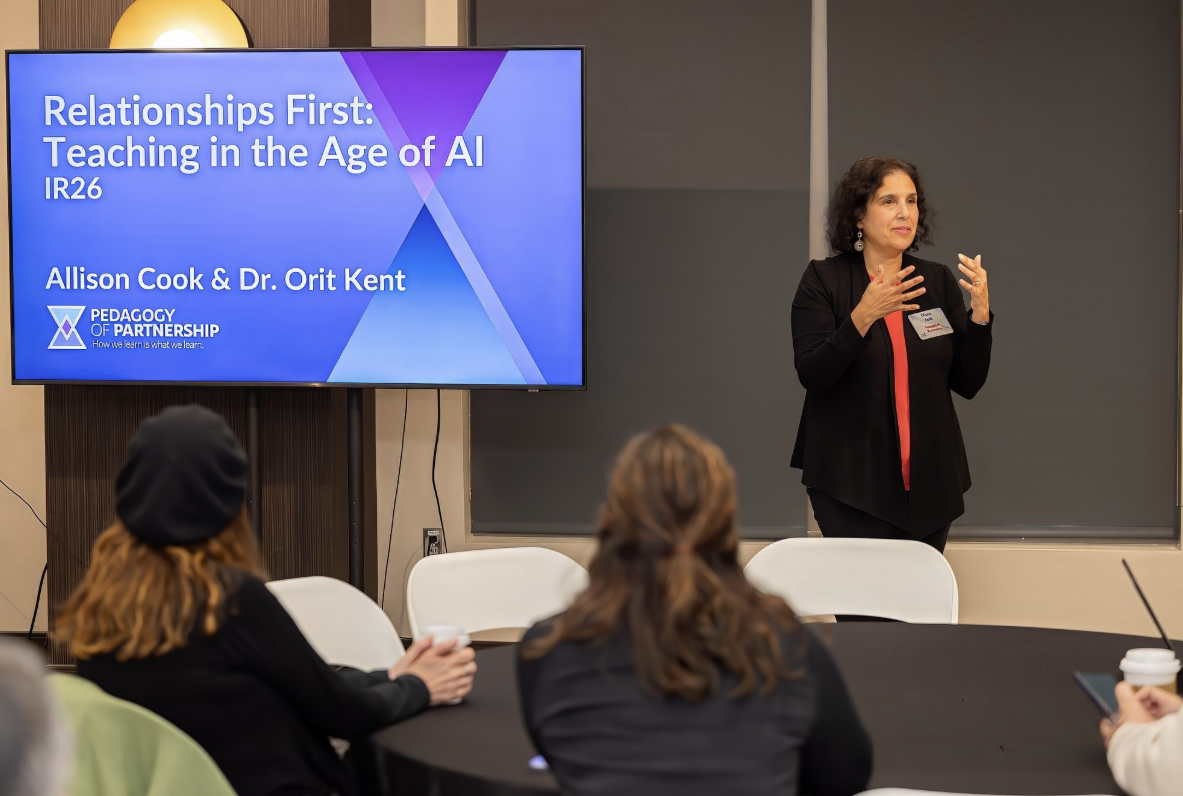
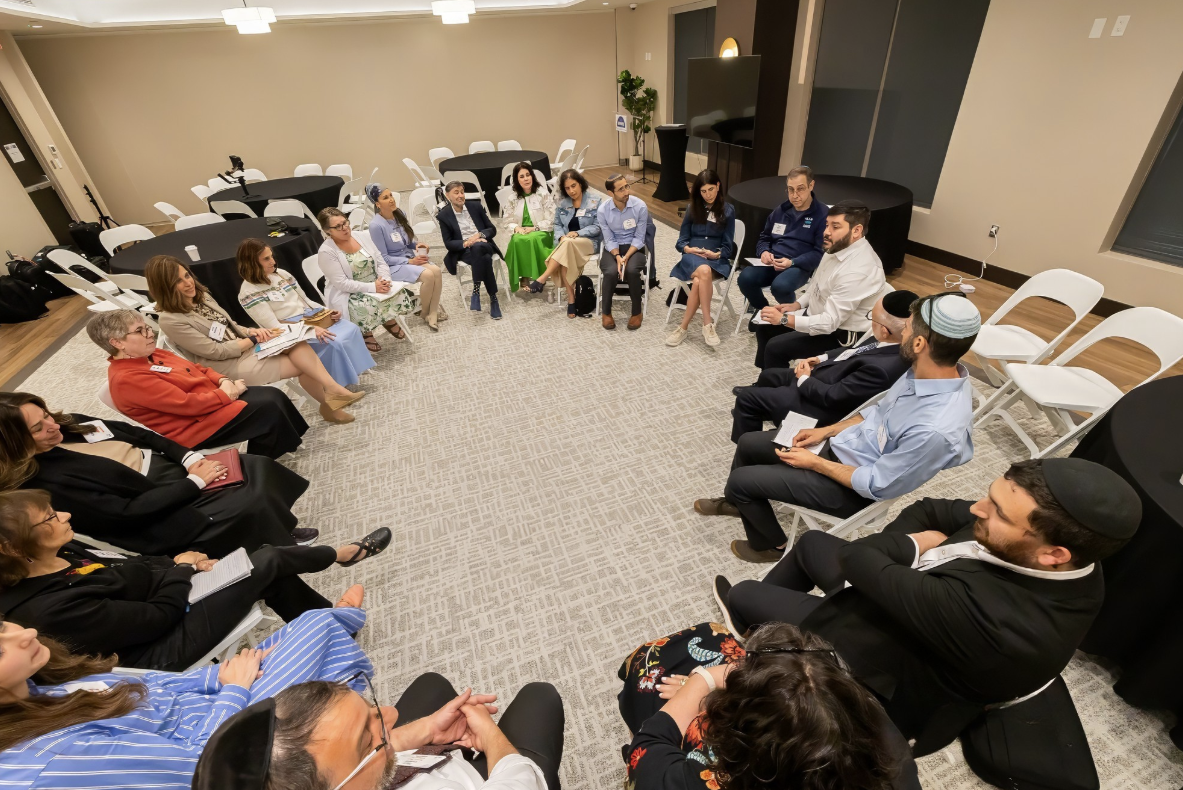
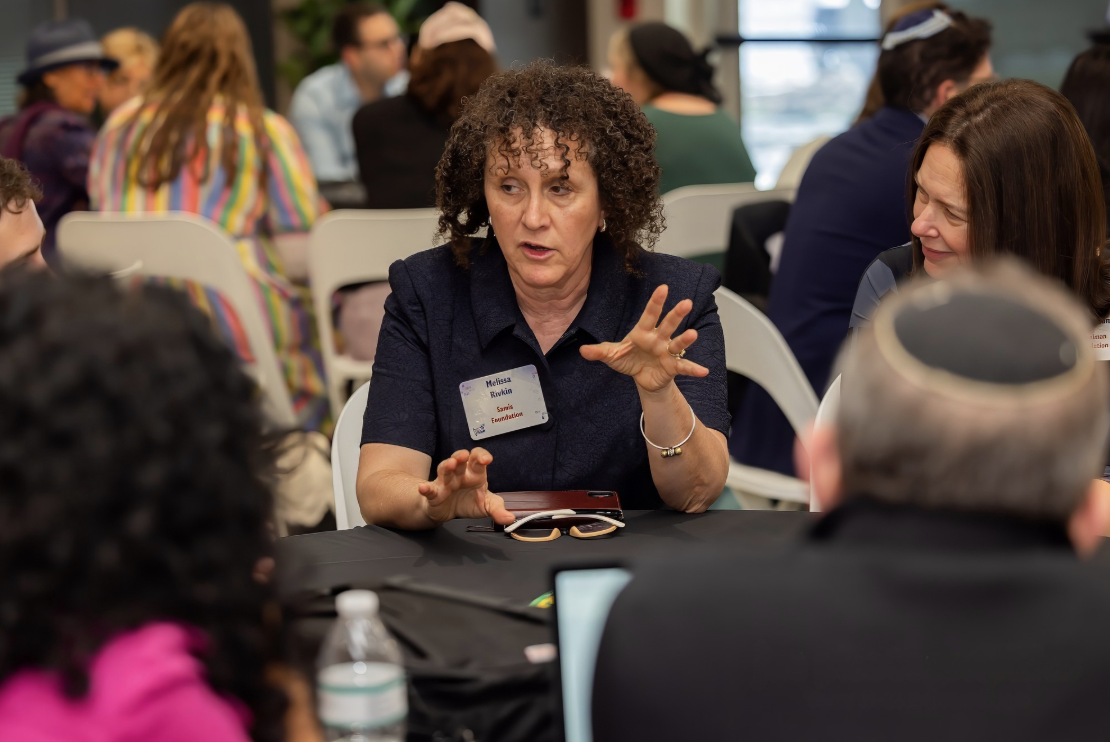
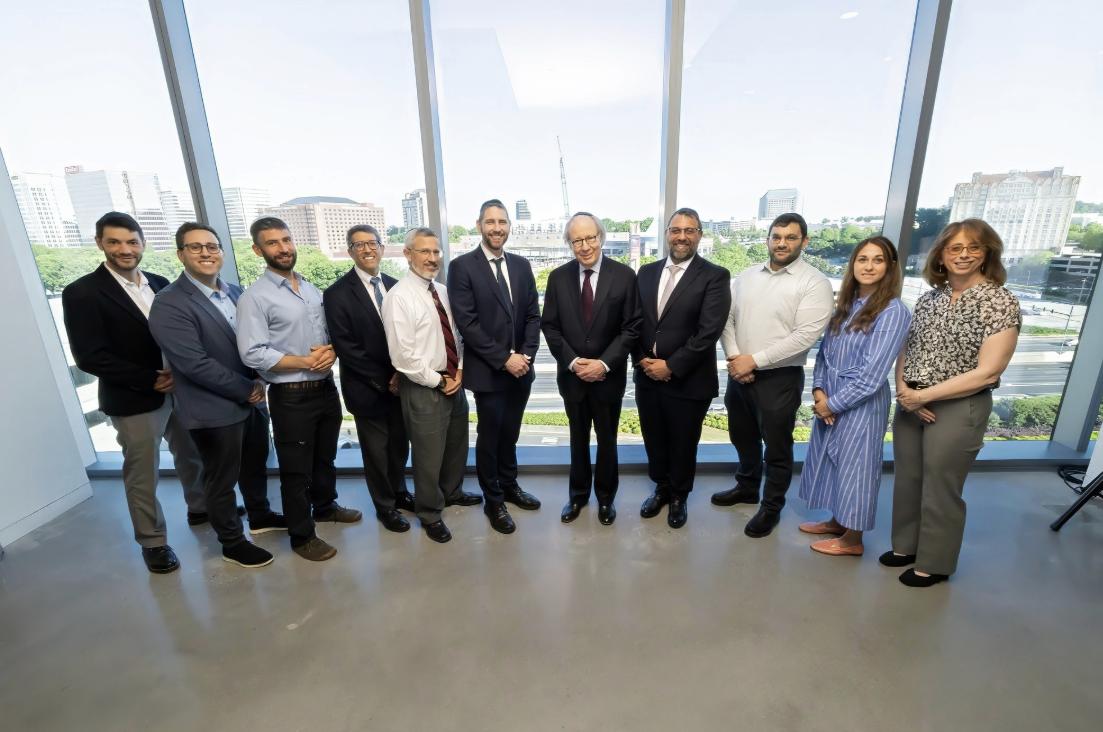
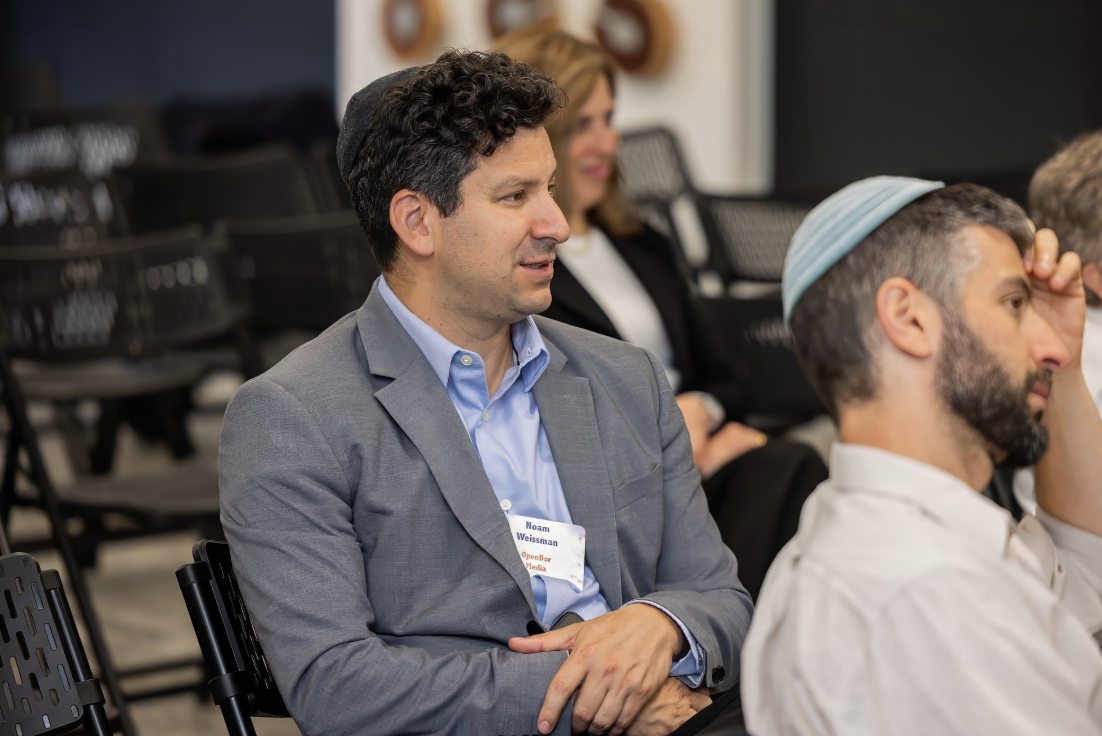
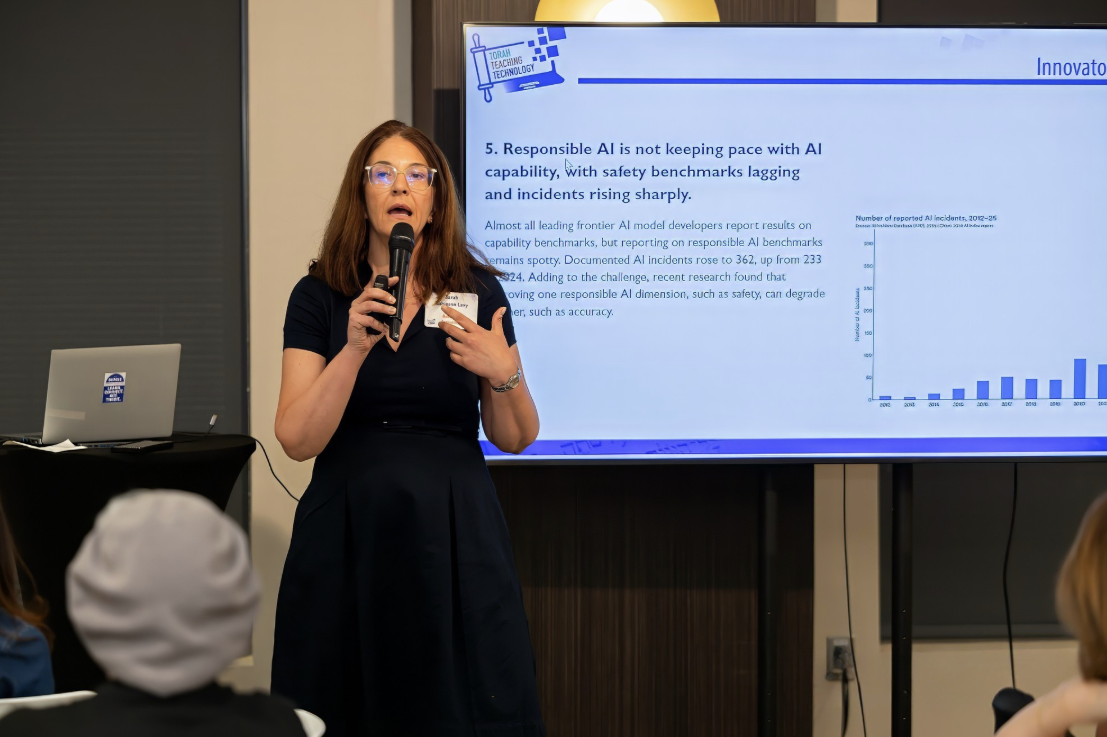

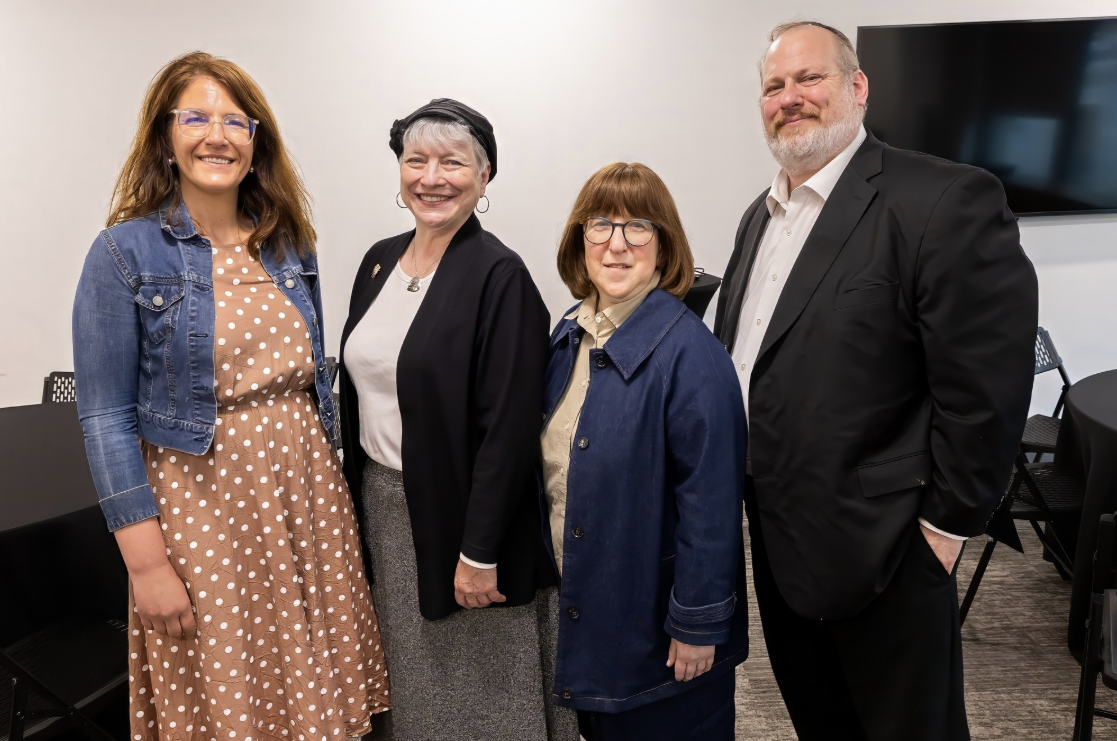
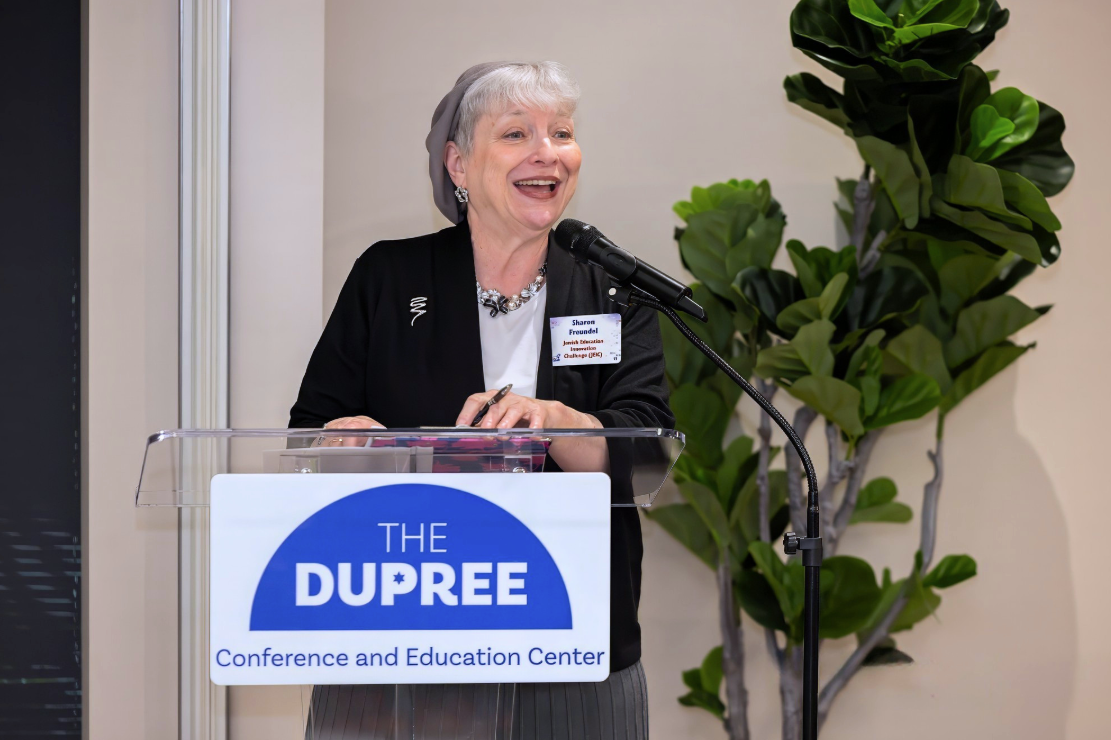
JEIC's 2026 Innovators Retreat, hosted by the Mayberg Foundation, brought more than 100 Jewish educators, funders, and stakeholders together in Atlanta for three days of learning, reflection, and forward-looking conversation about the future of Jewish day school education. Drawing on JEIC's national network of expertise, the retreat focused on one central question: how can Jewish education thoughtfully engage emerging tools like AI while staying rooted in its deepest values — and in doing so, strengthen Jewish students' identity and relationship to God?
A Field in Transition
In the months leading up to IR26, the JEIC team — Managing Director Sharon Freundel, Founding Director Rabbi Shmuel Feld, IR26 Project Director Sarah Rubinson Levy, with support from Mayberg Foundation Senior Advisor for Education Grants and Programs Rachel Mohl Abrahams — worked closely with Shelley Fogelson, manager of day school partnerships for the Jewish Federation of Greater Atlanta, to listen to Atlanta-area schools, understand their priorities, and shape the retreat's content accordingly. That groundwork culminated in a dedicated pre-conference day for Atlanta-area Jewish day school educators and administrators. With AI reshaping classrooms and educational priorities, hands-on workshops explored practical applications in Judaic Studies, strategic integration aligned with core goals, and frameworks for thoughtful collaboration across schools and community stakeholders.
Shared Learning and Reflection
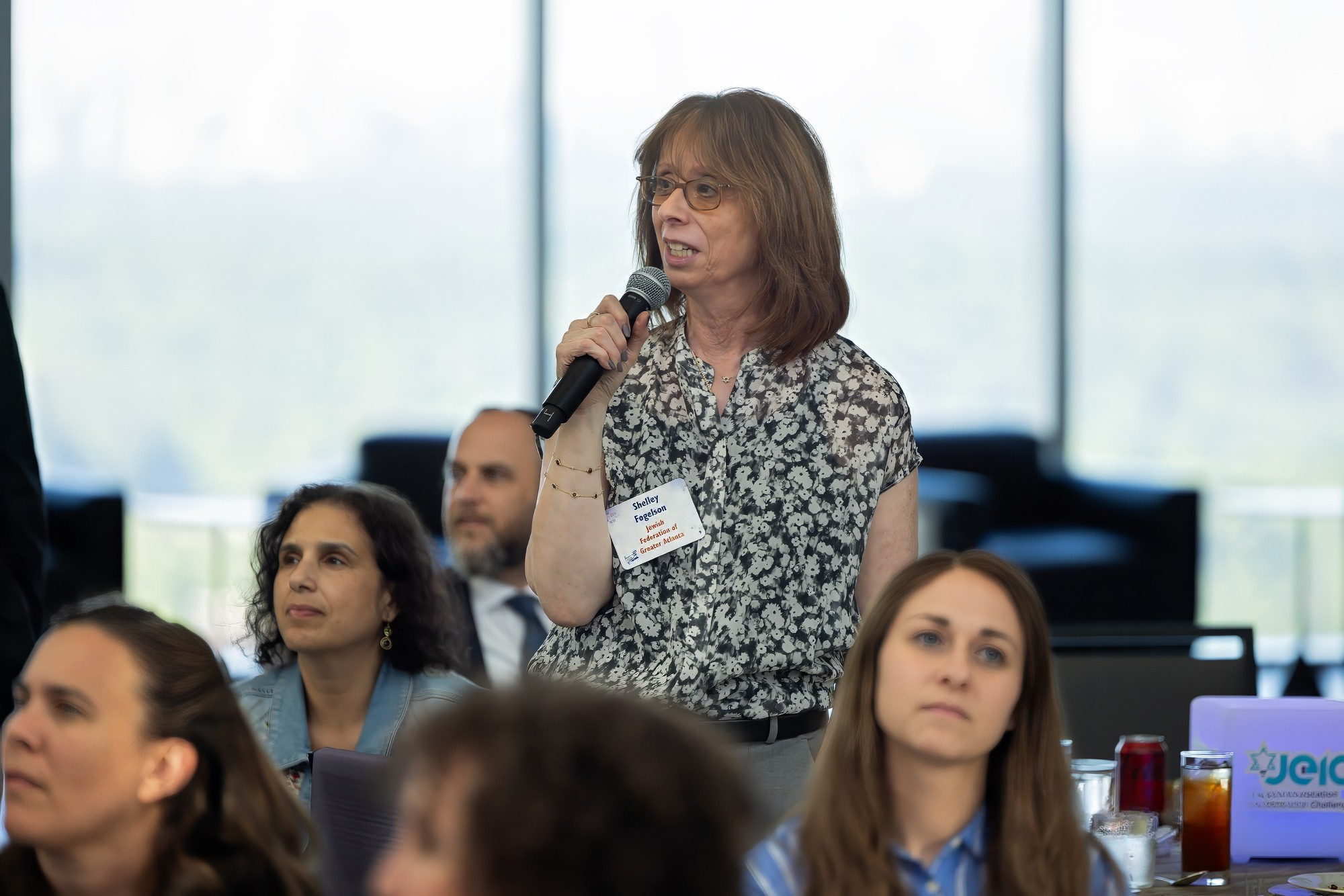
Shelley fogelson, manager of day school partnerships, Jewish Federation of Greater Atlanta, facilitated relationships building between JEIC team and atlanta area jewish day schools (Photos by jmphotographics.com)
Across the next two days, participants reflected on the evolving challenges of Jewish day school education in an age of accelerating change. Conversations surfaced both excitement and tension, particularly around how AI intersects with core values like morality, human relationships, and the nature of learning itself. Sessions emphasized the importance of preserving human connection, intellectual effort, and God-centered learning — helping educators think concretely about how to engage AI's possibilities responsibly and productively, while remaining anchored in what makes Jewish education distinct.
Participant feedback affirmed the retreat's impact on content and learning. Attendees praised the balance of high-level ideas and practical applications, with many noting they left feeling more optimistic about AI's potential. Several highlighted specific sessions as transformative, offering concrete tools and new frameworks they planned to implement at their schools.
Technology in Service of Torah
The final day turned toward implementation, exploring AI's practical and philosophical intersections with Jewish education. Sessions highlighted how technology can support, rather than replace, human relationships, while also serving as a clarity tool in limmud Torah (Torah study) and preserving ameilus, the intellectual struggle that is central to deep Jewish learning. Breakouts also examined AI applications in Tanakh and Gemara, along with strategic uses for lay leaders and funders to streamline operations and refocus resources on teaching and learning.
Renewal, Reflection, and New Perspectives
For many attendees, the retreat was as much about personal renewal as professional growth. Lakie Blech, an instructional coach with Lomdei, captured a feeling shared by many, describing how "being in that space, around such thoughtful people and meaningful ideas, brought energy back into me and helped reconnect me to the bigger why."
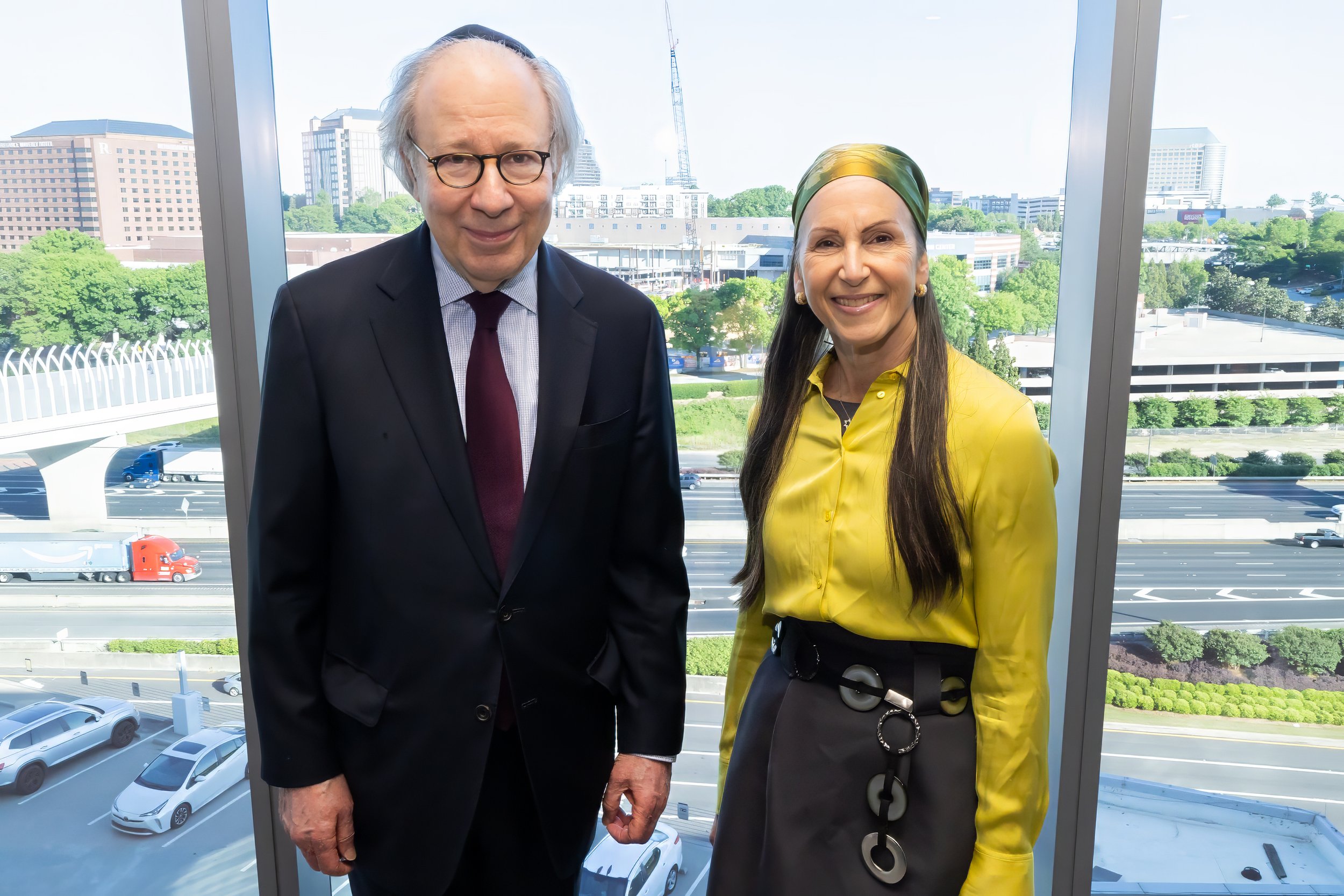
Jake Aronov, Principal, Jake F. Aronov Foundation and Manette Mayberg, President and Trustee, Mayberg Foundation (Photos by jmphotographics.com)
Josh Sharfman, PhD, a computer science educator at Shalhevet, found in the retreat a clarifying mirror. Invoking the concept of “Ayn navi b'iro” — there is no prophet in their own city — he reflected that it was "a true gift to leave the Shalhevet city for a day or two and be among other committed and passionate Jewish educators" to reflect on the unique opportunity he has to build what he called "a special Torah U'Madah program." He also noted that the retreat equipped him with "a new set of metaphors and examples" to more effectively communicate his integrated approach to parents and students alike.
For Yoni Gold, director of data strategy and instructional excellence at Associated Talmud Torahs of Chicago, the retreat delivered on the promise that has drawn him back year after year: "As with each year, I was able to learn about the topic, change my thinking on the subject, reconnect with people I know, and also build new relationships." He praised JEIC leadership for their efforts in "building a community of educators, school leadership, lay leadership, [Professional Development] providers, and those otherwise invested in Jewish schools."
JEIC and the Mayberg Foundation are grateful to the Zalik Foundation and the Jake F. Aronov Foundation for their partnership and generous support of the 2026 Innovators Retreat. Amanda Abrams, executive director of the Zalik Foundation, called the retreat "an incredibly powerful convening" that brought together educators, administrators, philanthropists, and practitioners with a shared purpose. Jake Aronov, principal of the Jake F. Aronov Foundation, echoed that sentiment, praising JEIC for "a beautifully organized and flawlessly conducted three days."
To access all IR26 conference presentations and resources, click here then enter ir2026 in the "Enter passphrase" box.